

Twenty years ago today, Persona 3 launched for PlayStation 2 in Japan and changed the future of Atlus' most famous RPG series. It arrived on July 13, 2006 with a strange mix of school routine, dungeon crawling, pop art, melancholy and occult horror. It was not the first Persona game, but it was the one that gave modern Persona its shape.
The ingredients sound familiar now because Atlus spent the next two decades refining them. A transfer student arrives at a Japanese high school. Days are counted on a calendar. Friends, exams, club activities and social stats compete with nighttime battles. Relationships are not side content. They feed into the RPG systems and make the party's emotional lives feel connected to combat progression.
Persona 3 made that loop feel daring. It asked players to live through an ordinary school year while a hidden hour opened after midnight, turning the city silent and raising Tartarus above Gekkoukan High. It dressed teen anxiety, death and friendship in a blue visual identity that still feels instantly recognizable. For a series that had long sat closer to Shin Megami Tensei's harsher, more esoteric edge, Persona 3 was the turn toward a wider audience without sanding away the weirdness.
The Dark Hour gave the school year a pulse
Persona 3 starts with a simple unease: the day does not quite end when it should. At midnight, most people become coffin-like objects, the streets empty and Shadows roam through a hidden stretch of time called the Dark Hour. The protagonist joins S.E.E.S., the Specialized Extracurricular Execution Squad, after awakening to a Persona during a Shadow attack at the dorm.
That setup gave Atlus a powerful rhythm. Daylight was for classes, part-time routines, after-school choices and relationships. Night was for Tartarus, a towering dungeon that changed shape as the party climbed it. The two halves were not separate campaigns. They fed each other, sometimes gently and sometimes with pressure. Spend time with people and the Personas you fused became stronger. Push deeper into Tartarus and the supernatural plot moved closer to the next full moon crisis.
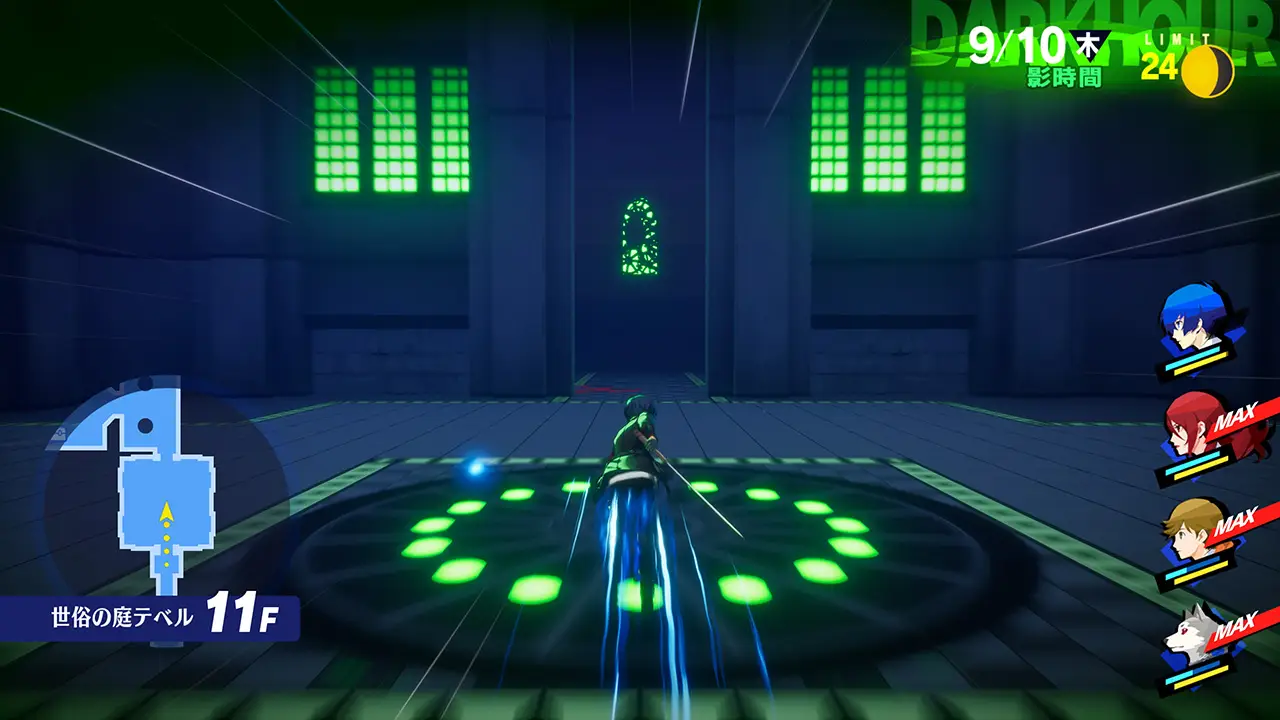
The calendar was the secret weapon. Persona 3 did not simply track time as a menu convenience. It made time feel limited. An afternoon with a classmate meant not studying. A night in Tartarus meant using resources, risking fatigue and deciding whether the party was ready. The year moved forward whether players felt prepared or not, which made even quiet days feel loaded.
That was a major shift for console RPGs in 2006. Many RPGs still treated towns as safe stops between adventures. Persona 3 made daily life part of the adventure's structure. The classroom, dorm lounge and mall were not just backdrops. They were places where the game's sense of momentum lived.
Social Links rewired what progression could mean
Persona 3's Social Links remain one of its most important ideas. They gave relationships a clear mechanical function without reducing them to stat boosts alone. Spending time with characters strengthened arcana, which made Persona fusion more effective. At the same time, those scenes made the protagonist's life feel broader than the central battle against Shadows.
The writing could be uneven, and some routes feel very much like mid-2000s game writing now. The larger design still holds. Persona 3 made friendship, mentorship and romance part of the RPG economy. The player was not only choosing equipment or skills. They were choosing which people deserved another afternoon before the month slipped away.
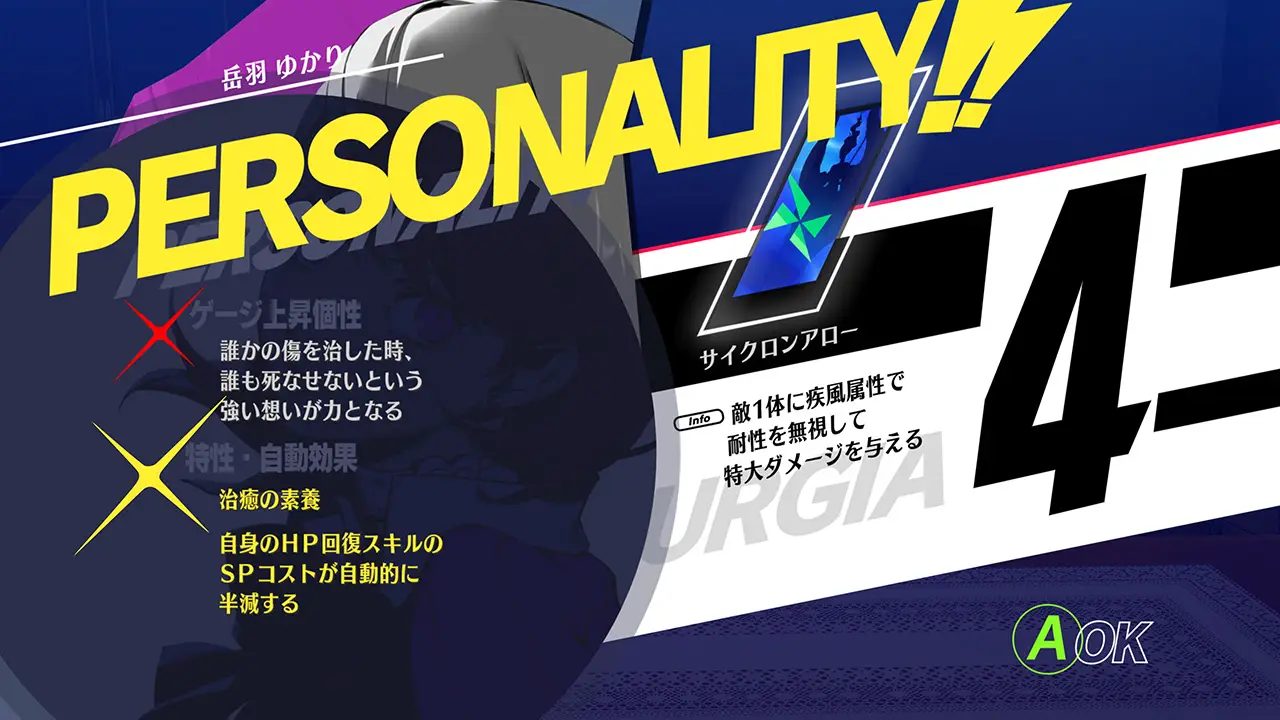
That idea gave Persona its modern identity. Persona 4 would later make the town of Inaba feel like home through a warmer murder mystery, while Persona 5 would turn the formula into a global hit with bigger style and sharper heist energy. Both games stand on Persona 3's foundation. The series' later confidence, including the appeal of Persona 4's small-town mystery, starts with the moment Persona 3 proved that a school calendar could hold a huge RPG together.
It also changed how players talked about the series. Persona became less of a niche branch for people already deep into Atlus RPGs and more of a character-driven obsession. Fans argued over Social Links, favorite party members, endings, music and which version of Persona 3 told the story best. The game had systems, but it also had rituals. It trained players to remember the little things: the dorm conversations, the late-night music, the blue menus and the pressure of seeing another date pass.
A stylish break from the older Persona mood
Persona 3 was not a clean break from everything before it. It still carried Persona's occult psychology, demon lineage and interest in the other self. The word Persona itself remained tied to the idea of a hidden self taking mythic form. But the presentation changed dramatically.
Earlier Persona games had a heavier, stranger mood. Persona 3 used graphic menus, bold character portraits, vocal tracks and a modern school setting to make its darkness feel stylish instead of purely grim. Shoji Meguro's music was central to that shift. Songs like “Burn My Dread” and “Mass Destruction” gave the game a sound that was almost impossible to confuse with another RPG of the period.
The Evoker was the most provocative symbol of that new identity. Party members summon Personas by raising gun-shaped devices to their heads and pulling the trigger. It remains one of the series' most debated and memorable images, but inside Persona 3 it tied into a game obsessed with mortality, fear and the courage to act under impossible pressure. It was shocking on purpose. It made each awakening feel like a confrontation with death, not a simple magical transformation.
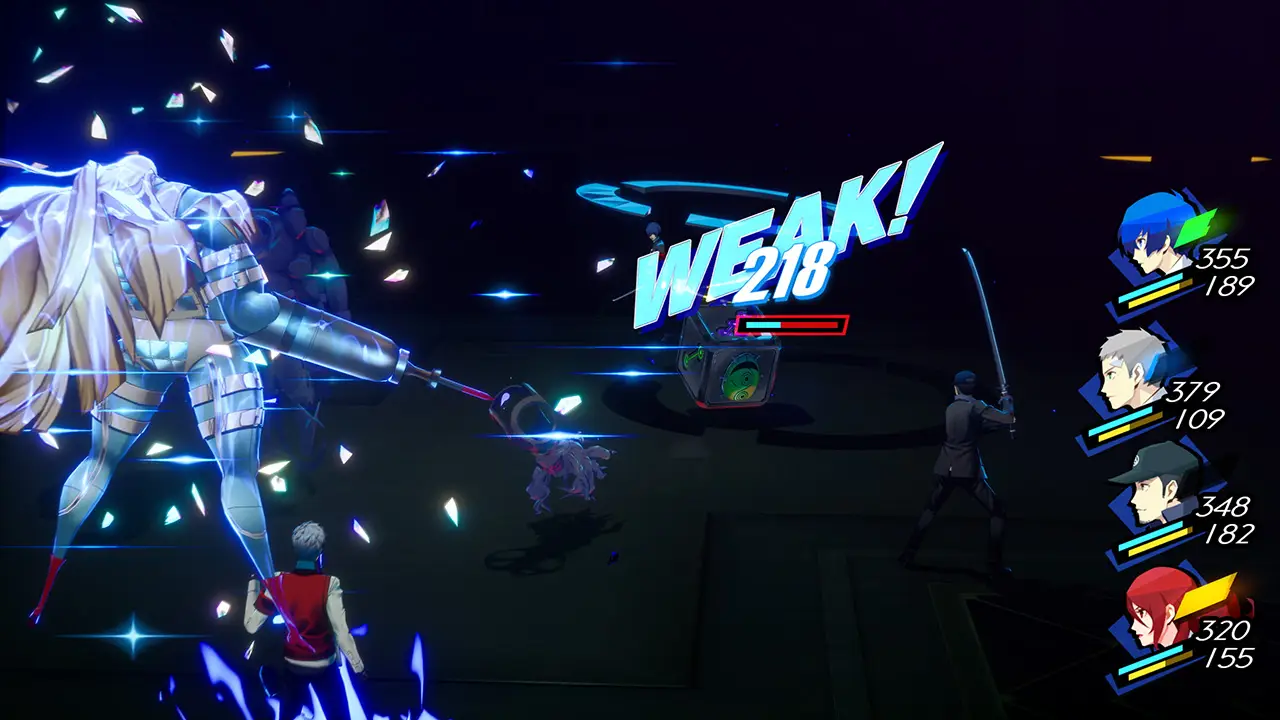
Combat also sat between old and new Atlus. Enemy weaknesses, turn economy and Persona fusion kept the Megami Tensei DNA intact. The mood around those systems changed. Persona 3 made battles feel like part of a broader teen drama, where party growth, school life and dungeon progress all pointed toward the same end-of-year reckoning.
The afterlife became part of the legacy
Persona 3's history did not stop with the PS2 original. Persona 3 FES followed in 2007 with new material, adjustments and The Answer, an epilogue centered on Aigis. Persona 3 Portable arrived on PSP in 2009, reshaping the experience for handheld play and adding a female protagonist route that became a major part of the game's long debate among fans.
Those versions matter because there has never been one simple Persona 3. Fans often talk about it through tradeoffs. FES has The Answer and a more complete PS2-era presentation. Portable has the female protagonist route and a format that fit handheld sessions. Persona 3 Reload, which launched in 2024 and later moved to Nintendo Switch 2, rebuilt the core story with modern visuals, reworked systems and a wider contemporary audience. Atlus also called Reload its fastest title to pass 1 million units worldwide, a sign of how far the game's reputation had grown since its PS2 debut.
Reload did not erase the older versions. It proved there was still hunger for this particular story, even after Persona 5 had become the series' global calling card. Persona 3's themes are blunt, sometimes messy and still unusually sincere. It is about death, but also about how routine helps people survive dread. It is about a group of teenagers fighting monsters, but its emotional weight comes from watching them spend a year learning what their time is worth.
That is why the 20th anniversary feels bigger than simple nostalgia. Persona 3 is the bridge between Atlus' cult RPG past and the modern Persona machine. It turned the school year into an RPG engine. It made social bonds part of character growth. It gave the series a visual and musical confidence that players still associate with Persona today.
Twenty years later, the Dark Hour is no longer hidden. It is the moment modern Persona stepped into view.