

The NES best-seller list is less tidy than a modern Nintendo chart. Several of its biggest games were packed in with hardware, some figures come from CESA-style historical data and others survive through archived reports, books or documentary references. That is exactly why the list is interesting: it shows what actually carried Nintendo's 8-bit console into homes, not just what collectors talk about now.
For this countdown, the ranking uses individual NES and Famicom software releases, including bundles where the public figure includes them. The numbers are worldwide sales or shipment figures where available. I checked the public NES best-sellers table, its cited historical sources, Nintendo-related sales references and obvious near-misses before locking the top eight. Excitebike, Golf, Teenage Mutant Ninja Turtles, Dragon Quest III and Kung Fu all sit just below the cutoff in the available public data.
8. Zelda II: The Adventure of Link, 4.38 million
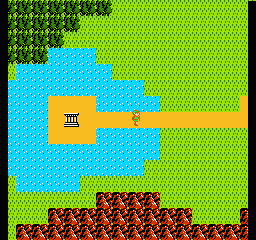
Zelda II is the oddball here, and that is part of its charm. Instead of simply repeating the top-down adventure structure of the first game, Nintendo pushed Link into side-scrolling combat, experience points, towns and a harsher difficulty curve. It is not the Zelda template that won out over the long term, but in the late 1980s it still felt like a giant cartridge adventure.
Its 4.38 million figure makes it the lowest entry in this top eight, but that is still a huge total for a sequel this unusual. The game sold on the strength of Zelda's name, then built its own cult reputation because it played so differently from the rest of the series. Gamers Now has covered Zelda's later 3D mythology through our Ocarina of Time remake tracker, but Zelda II is a reminder that the series was still experimenting wildly on NES.
Source note: The Magic Box's archived 2004 GDC report lists Zelda II: The Adventure of Link at 4.380 million copies.
7. Dr. Mario, 4.85 million
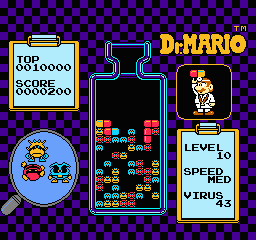
Dr. Mario arrived late in the NES life cycle, but it had the right idea at exactly the right time. Tetris had already proved that a simple falling-block puzzle could become a household obsession, and Nintendo had a mascot flexible enough to sell almost anything. Putting Mario in a lab coat gave the game instant shelf appeal without needing another Mushroom Kingdom platformer.
The puzzle itself was sharper than the joke. Matching capsule colours against viruses made Dr. Mario easy to understand, especially for families that already had an NES in the living room, but the speed settings and crowded bottles gave it plenty of tension. At 4.85 million, it became one of the console's biggest non-platforming Mario successes and helped establish how far Nintendo could stretch the character.
Source note: the public NES best-sellers table lists Dr. Mario at 4.85 million, citing Paul Terry's Top 10 of Everything 2016.
6. The Legend of Zelda, 6.51 million
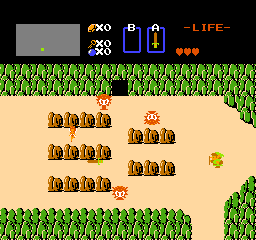
The Legend of Zelda sold because it made the NES feel bigger than a level-by-level arcade machine. Its battery-backed save system mattered, but the real hook was the sense that a whole world was hiding behind that gold cartridge. Players could wander, bomb walls, burn bushes, find dungeons out of order and trade rumours on the playground when the game refused to explain itself.
That open-endedness gave Zelda a different kind of momentum from Mario. It was less about perfecting a stage and more about slowly mapping a place in your head. The 6.51 million figure shows how strongly that idea landed, even before Zelda became one of Nintendo's most protected prestige series.
Source note: The Magic Box's archived 2004 report says Nintendo revealed Zelda franchise sales at GDC and lists The Legend of Zelda at 6.510 million.
5. Super Mario Bros. 2, 7.46 million

Super Mario Bros. 2 is the sequel that famously was not born as a standard Mario sequel outside Japan. Nintendo reworked Yume Kojo: Doki Doki Panic for the international market, which is why this entry lets players pull vegetables from the ground, choose between four characters and fight through dreamlike stages that do not feel like the first game.
That strange path did not hurt it commercially. If anything, Super Mario Bros. 2 gave NES owners a sequel that felt surprising instead of safe, and many of its ideas became permanent parts of the Mario vocabulary. Shy Guys, Bob-ombs, Birdo and Peach's float all outlived the game's odd origin story. Its 7.46 million figure made it one of the NES's biggest sellers and one of the clearest signs that 2D Mario had room to bend.
Source note: Gizmodo UK's archived Mario sales countdown lists Super Mario Bros. 2 on NES at 7.46 million.
4. Tetris, 8 million
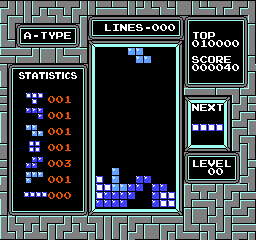
Tetris is more closely associated with Game Boy, but the NES version was a monster in its own right. It had no mascot, no story and no familiar Nintendo world to lean on. It just had falling blocks, clean rules and the sort of one-more-go rhythm that made it dangerous to start playing before bed.
The NES figure also sits in the middle of a famously messy rights story. Nintendo's licensed home-console version won the platform battle that mattered, while Tengen's rival version became a collector's item. The public figure of 8 million cartridges puts Nintendo's NES Tetris above most of the console's character-led hits, which says plenty about how universal the game was.
Source note: the BBC Four documentary page for Tetris: From Russia with Love identifies the programme cited by the public NES table, whose quoted sales reference says Nintendo dealers had sold 8 million Tetris cartridges on NES.
3. Super Mario Bros. 3, about 18 million
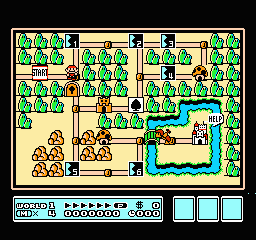
Super Mario Bros. 3 was the NES operating at full confidence. The world map gave every stage a sense of place, the suits changed how Mario moved and the game looked richer than almost anything players associated with the machine's early years. By the time Western players saw it teased in The Wizard, it already felt like an event.
The sales figure is usually given at about 18 million, with public references varying between 17.28 million and 18 million depending on the table and source. Either way, the ranking is not in doubt. Super Mario Bros. 3 sits far above every NES game outside the top two, and its influence kept travelling through later Mario design long after Nintendo moved beyond 8-bit hardware.
Source note: the public NES table lists Super Mario Bros. 3 at 18 million, while Gizmodo UK's archived Mario countdown gives the closely related 17.28 million figure.
2. Duck Hunt, 28.31 million
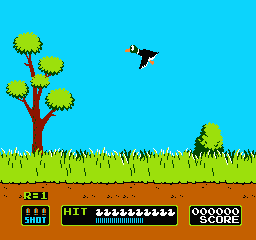
Duck Hunt's sales are impossible to separate from hardware bundles, and they should not be. The Zapper was part of the NES sales pitch, and Duck Hunt made the console feel like something different from the Atari-era machines Nintendo was trying to leave behind. Point, shoot, miss, get laughed at by the dog. Everyone understood it instantly.
That accessibility is why the 28.31 million figure makes sense. Duck Hunt did not become a long-running franchise like Mario or Zelda, but it became one of the shared memories of NES ownership. Even people who never finished a platformer could take a turn with the light gun, which gave the console a party trick years before party games became their own category.
Source note: the public NES best-sellers table lists Duck Hunt at 28.31 million and cites the 2021 CESA Games White Papers for the figure.
1. Super Mario Bros., 40.24 million
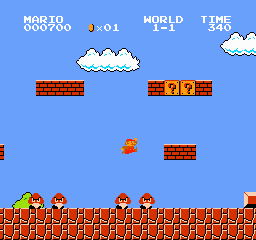
Super Mario Bros. is the obvious number one, but the scale still matters. Its 40.24 million figure was helped enormously by bundling, which means it is not a pure retail comparison with every game below it. It is also the point. Super Mario Bros. was not just a game people bought for the NES, it was the game that explained why the NES existed.
World 1-1 taught movement, timing, enemies, secrets and power-ups with almost no friction. The rest of the game turned those lessons into a side-scrolling rhythm that shaped console design for decades. Later Mario games became bigger, including the 3D leap we covered in our Super Mario 64 anniversary feature, but the NES original remains the cartridge that made Nintendo's home-console revival feel inevitable.
Source note: The Guardian's 25th anniversary Mario feature lists Super Mario Bros. at 40.24 million and notes that the total was skewed by NES bundling.
The NES chart is really two stories stacked together. The first is bundling, with Super Mario Bros. and Duck Hunt turning hardware sales into software totals that later games could not realistically chase. The second is Nintendo's range: platformers, light-gun games, puzzles and adventure games all sold in huge numbers. That variety is why the NES top shelf still feels like the foundation of modern Nintendo, not just a museum case for 8-bit nostalgia.