
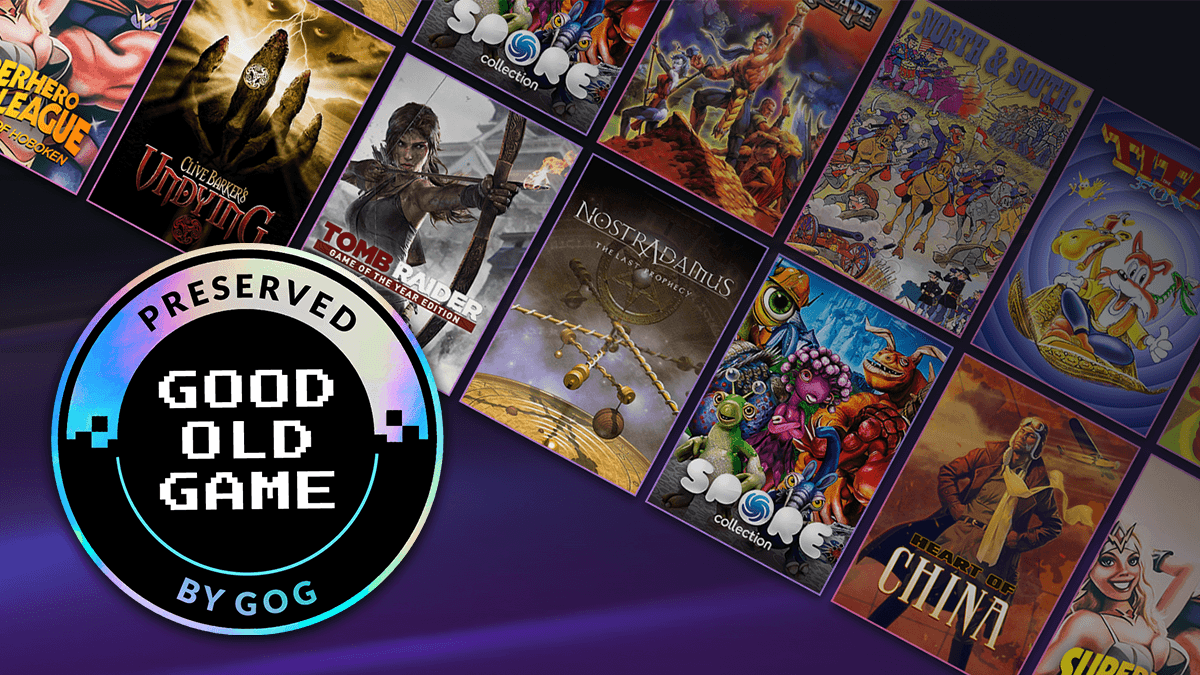
GOG is pushing game ownership back into the spotlight after Sony confirmed that new PlayStation games will stop getting physical discs in January 2028.
The PC storefront, long known for selling DRM-free games with offline installers, says the shift away from boxed media should not leave players with less control over the games they buy. The comment lands as PlayStation's 2028 cutoff raises fresh questions about resale, sharing, preservation and what a digital purchase actually guarantees.
Sony said in its official announcement that physical disc production for all new games releasing on PlayStation consoles will end from January 2028. Games released before then, or already planned for disc release before that date, are not affected.
GOG joint-CEO Krzysztof Papliński, in comments reported by Eurogamer, framed the issue around access rather than nostalgia for boxes on shelves.
"Every shift away from physical media makes the conversation around game ownership and preservation even more important," Papliński said. "Technology evolves, but the idea that players should keep access to the games they buy shouldn't. As the industry becomes increasingly digital, players should have the full confidence that the games they buy will remain accessible regardless of changes to platforms, storefronts, or business models. That's a principle we've believed in since GOG was founded."
That is the central difference GOG wants to underline. On GOG, games are sold without DRM and can be downloaded through offline installers. Console digital libraries are usually tied to accounts, platform rules and storefront availability. A game can be bought through a console store without giving the player the same practical freedom as a disc or a standalone installer.
GOG also reacted publicly after Sony's announcement, writing on X: "Even if a game vanishes from the GOG storefront, it never leaves your library. Exactly as digital ownership ought to be."
The timing is awkward for PlayStation because the disc cutoff is not happening in isolation. Sony has already faced a separate ownership flashpoint over purchased StudioCanal movies being removed from PlayStation libraries, while a proposed lawsuit has challenged how PlayStation Store digital purchases are presented to buyers.
Papliński said preservation and ownership are linked, adding that "the future of gaming shouldn't come at the expense of ownership" and that preserving access to games is "a responsibility the entire industry should take seriously."
Sony's disc decision still gives the market time to adjust, but it also makes the next few years a test of trust. If future console releases move further toward codes, downloads and account-tied access, players will have more reason to ask what survives when a storefront changes, a licence expires or a platform holder rewrites the rules.