
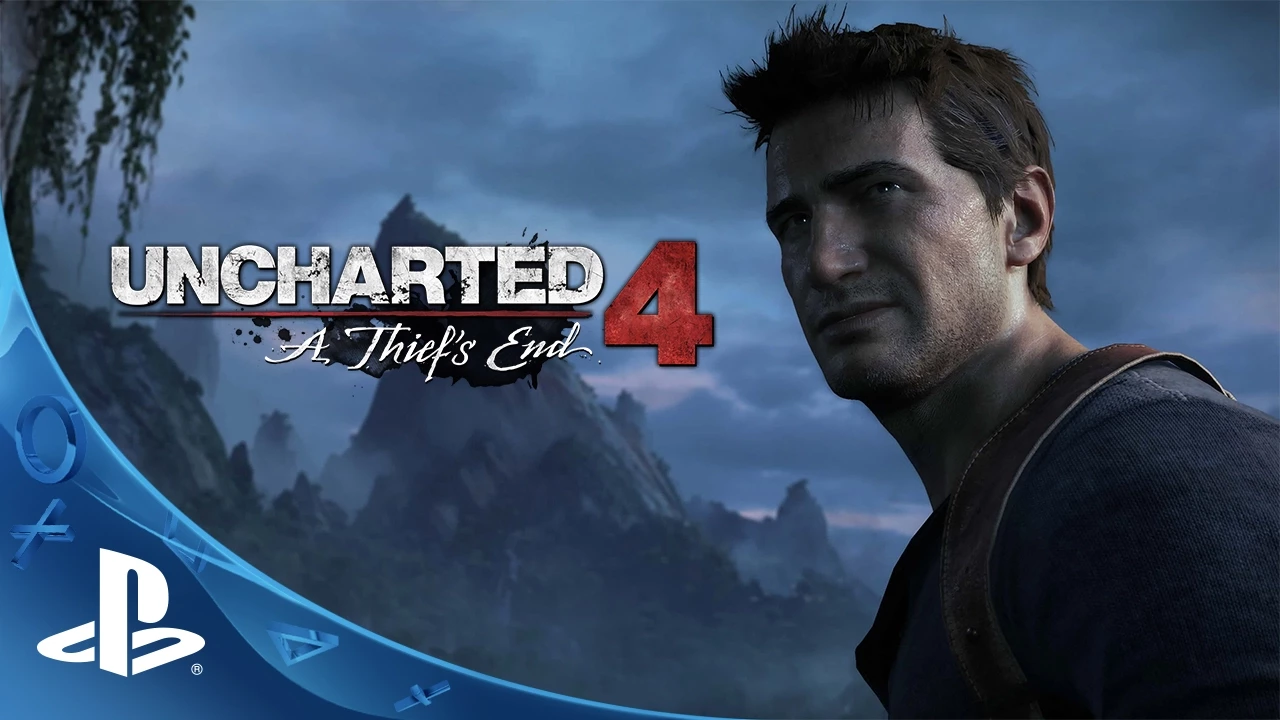
Ten years ago today, Uncharted 4: A Thief's End launched worldwide on PlayStation 4 and gave Nathan Drake the rarest kind of blockbuster ending: one that actually felt like an ending.
That is easy to forget now, after years of prestige sequels, remasters, cinematic action games and streaming-era franchise recycling. In 2016, Uncharted 4 arrived with a promise that sounded almost dangerous for a PlayStation series this valuable. Naughty Dog was not just making another treasure hunt. It was putting Drake, Elena, Sully and the whole easy-smiling fantasy of Uncharted under pressure.
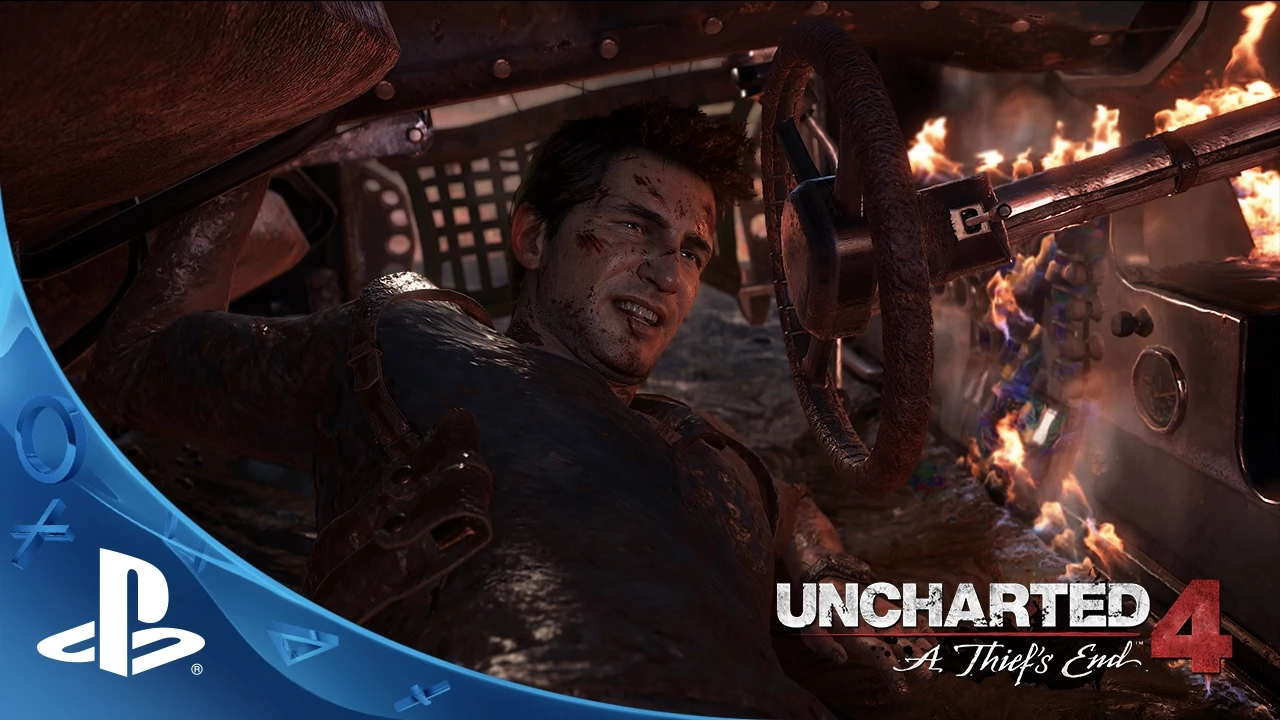
The result was not the loudest game in the series, though it had trucks, collapsing ruins, rope swings, mudslides and ridiculous escapes to spare. It was the most reflective one. A Thief's End understood that Drake had become older than the version of himself players first met in Drake's Fortune. It asked whether the adventure hero could survive adulthood, marriage and ordinary happiness without turning all of that into a joke.
A PS4 showcase with something to prove
Uncharted had already been PlayStation's great cinematic flex. Uncharted 2: Among Thieves made the PS3 feel like it had cracked the language of playable action cinema. Uncharted 3: Drake's Deception pushed spectacle even harder, sometimes so hard that the set pieces seemed to run ahead of the characters.
Uncharted 4 had a different job. It was Naughty Dog's first full Uncharted built for PS4, and it came after The Last of Us had changed expectations around the studio. Players were no longer only looking for wisecracks, firefights and collapsing ledges. They were looking for emotional consequence. The question was whether Uncharted could keep its matinee-adventure charm while carrying the heavier dramatic weight Naughty Dog had become known for.
It mostly did that by slowing Drake down. The game opens with the idea of retirement not as a gag, but as a real temptation. Nathan and Elena have a home. They have routines. Drake works salvage jobs, eats dinner and tries to convince himself that a normal life is enough. When Sam Drake returns from the dead and pulls him toward Captain Henry Avery's lost pirate treasure, the old adventure fantasy becomes less innocent. The call to danger is exciting, but it is also selfish.
That shift mattered. Earlier Uncharted games made Drake's recklessness charming because the genre demanded it. A Thief's End asks what that recklessness costs the people around him. Sam is not just a new brother dropped into the mythology. He is the embodiment of a past Drake never fully escaped. Elena's disappointment lands because it is not framed like a temporary obstacle to the next chase. It is the story's moral center.
The treasure hunt got room to breathe
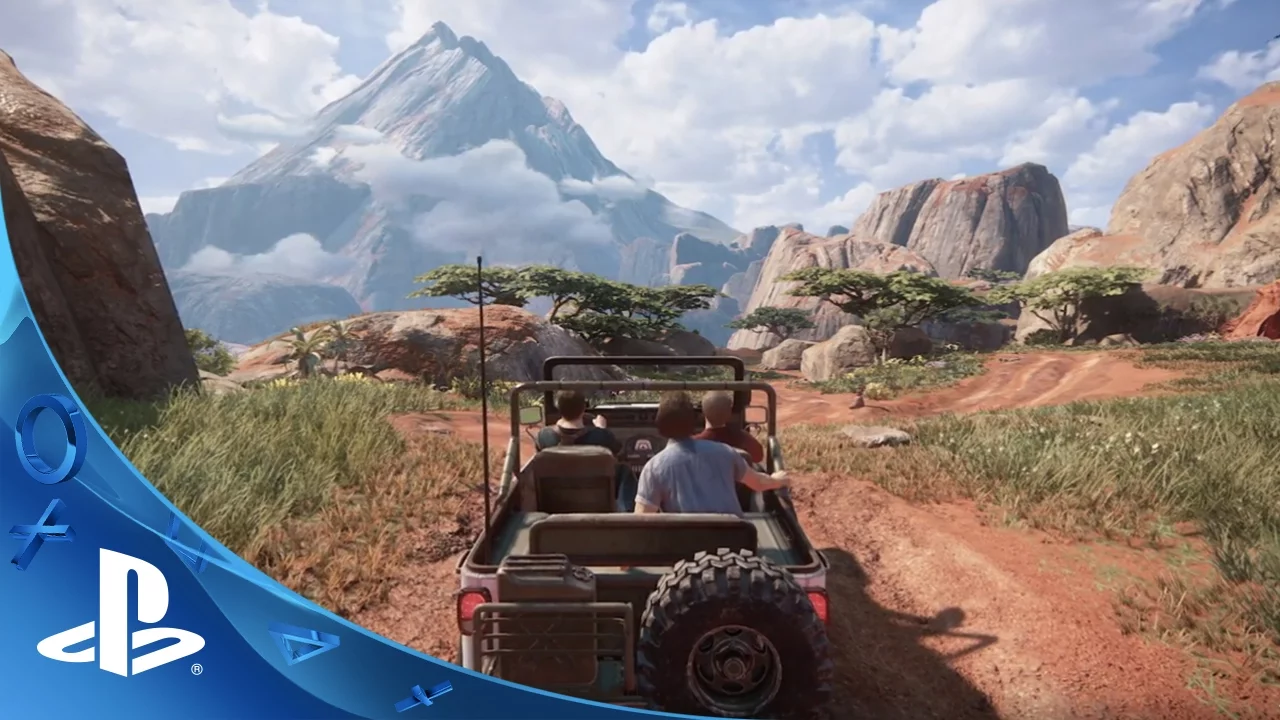
The other big change was space. Uncharted 4 was still linear at heart, but it stretched the series in ways that felt important in 2016. Madagascar's off-road chapter let players drive, stop, climb, circle back and soak in the landscape with less of the old corridor pressure. The grappling hook gave combat arenas more movement. Stealth was cleaner. Encounters had more verticality and more chances to improvise before the bullets started.
None of that turned Uncharted into an open-world game, and that was probably for the best. The series worked because it knew how to choreograph momentum. What changed was the texture between the explosions. A Thief's End let the player sit in the jeep with Sam and Sully. It let banter stretch across dusty roads. It let the camera linger on impossible cliffs, abandoned pirate architecture and rooms that felt lived in before someone inevitably crashed through them.
That made Libertalia feel like more than another lost city. Uncharted had always loved myth, but Avery's pirate utopia carried a sharper thematic bite. The ruins are not just a prize at the end of a trail. They are a warning about greed, brotherhood and the fantasy of leaving civilized life behind. Drake spends the whole game chasing a legend about thieves building their own paradise, then slowly sees the rot inside that dream.
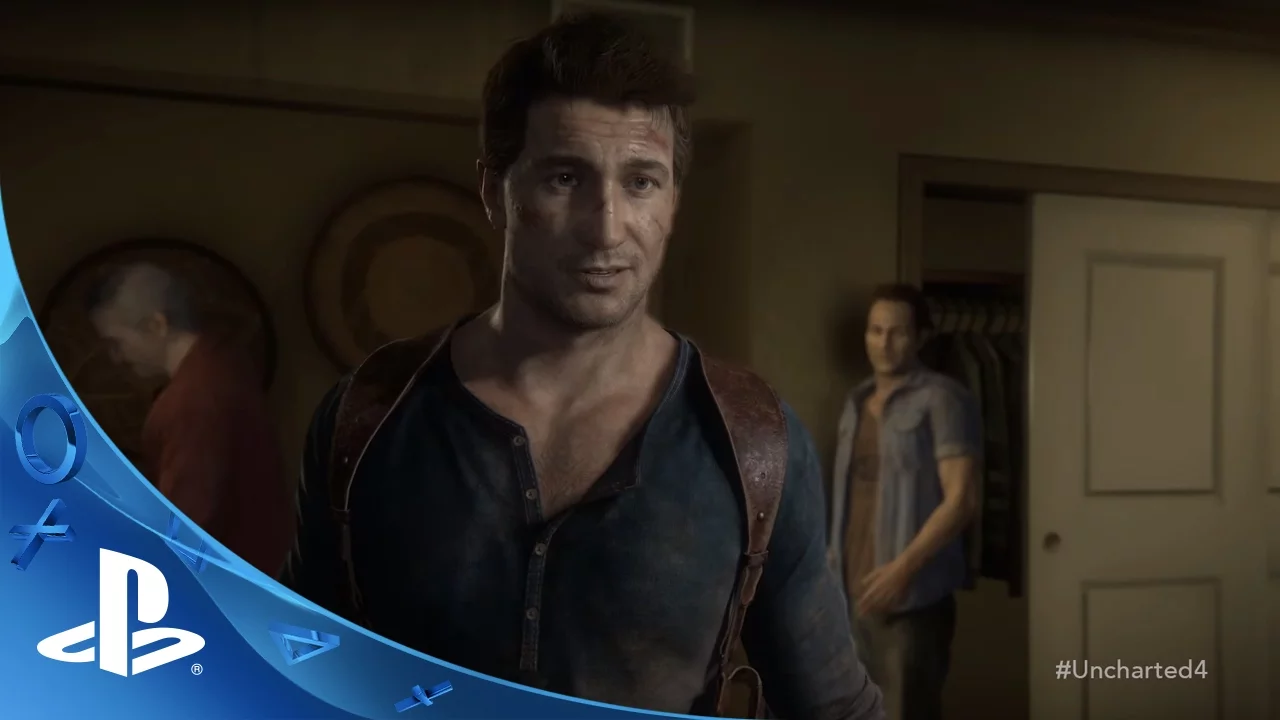
That is why Uncharted 4's quieter scenes still stick. The attic sequence works because it turns nostalgia into character. The dinner conversation works because it makes Drake's lie uncomfortable before the plot punishes him for it. The Crash Bandicoot gag works because it is playful, but also because it briefly places Drake and Elena in a domestic world that looks nothing like the one fans were used to seeing.
Players showed up for the goodbye
The ending was not just artistically meaningful. It was huge business for PlayStation. Sony Interactive Entertainment announced that Uncharted 4 passed 2.7 million units in worldwide sell-through as of May 16, 2016, only a week after launch. That number included Blu-ray disc sell-through and digital sales, and Sony called it the fastest-selling PS4 first-party title in North America at the time.
Its reception matched the scale. Critics praised the visual craft, performances, action and unusually graceful farewell to Drake. The game later won Best Game at the 2017 BAFTA Games Awards, a reminder that the finale was not only a platform-holder showpiece. It had become a broader marker for how polished and character-led a big-budget console exclusive could be.
Some of the praise came from obvious places. Uncharted 4 looked spectacular in 2016. Faces, lighting, animation and environmental detail made it one of the clearest arguments for what the PS4 generation could do when a first-party studio had time, money and technical confidence. Yet the prettier legacy is not just visual. Plenty of games become old because their technology gets overtaken. Uncharted 4 aged well because its emotional aim was clean.
It knew that ending a character arc is different from stopping a plot. Drake does not win because he finds the treasure. He wins because he finally stops needing the treasure to prove who he is. That might sound simple, but video game heroes rarely get that kind of permission. They usually keep going until sales, canon or reinvention says otherwise.
The legacy went beyond Drake
Uncharted did continue, but it continued in a way that made the finale stronger. The Lost Legacy shifted the lead role to Chloe Frazer and Nadine Ross, proving the series could survive without dragging Nathan back into danger immediately. Years later, Uncharted: Legacy of Thieves Collection brought A Thief's End and The Lost Legacy to PS5 and PC, with the Steam release presenting both as a paired collection of Naughty Dog's late-era Uncharted work.
That availability matters because Uncharted 4 now sits in a different PlayStation landscape. Naughty Dog has spent the years since largely associated with The Last of Us, while Sony's first-party identity has leaned further into cinematic action-adventure through games like God of War, Marvel's Spider-Man, Horizon and Ghost of Tsushima. Uncharted 4 feels like one of the bridges into that era. It is a confident authored adventure, expensive and polished, but also built around the belief that character relationships can carry the scale.
It also remains a useful contrast to the modern habit of never letting anything end. A Thief's End did not close every possible door in the Uncharted universe. It closed the right one. It gave Nathan and Elena a future that felt earned, gave players a last impossible climb and left the franchise with enough dignity to explore elsewhere.
Ten years later, that is the thing worth remembering. Uncharted 4 was not important because it proved Naughty Dog could make a bigger chase scene, though it absolutely could. It was important because it understood the cost of the chase. It let a blockbuster hero grow older without humiliating him, let his family matter without sanding away the fun and let one of PlayStation's defining adventurers walk away while players still wanted more.
Nathan Drake spent years stealing treasure, surviving disasters and grinning at danger. On May 10, 2016, the real trick was that he finally learned when to stop running.